

Pushkar heritage comes into focus on a visit to Varaha Temple, Old Rangji Temple and Apteshwar Mahadev Temple in the town. Each has a distinct connection to Hindu traditions and architecture, and together they make a useful framework for a self-guided temple visit.
- Location: Pushkar, Rajasthan.
- Temples: Varaha, Old Rangji and Apteshwar.
- Suggested timing: Visit Pushkar recommends a self-guided 3–4 hour morning walk for key temples.
- From the hotel: Pushkar city centre is about 10 minutes on foot from Bharatpur Palace, a hotel in Pushkar.
Times checked November 2026.
The temples on this route
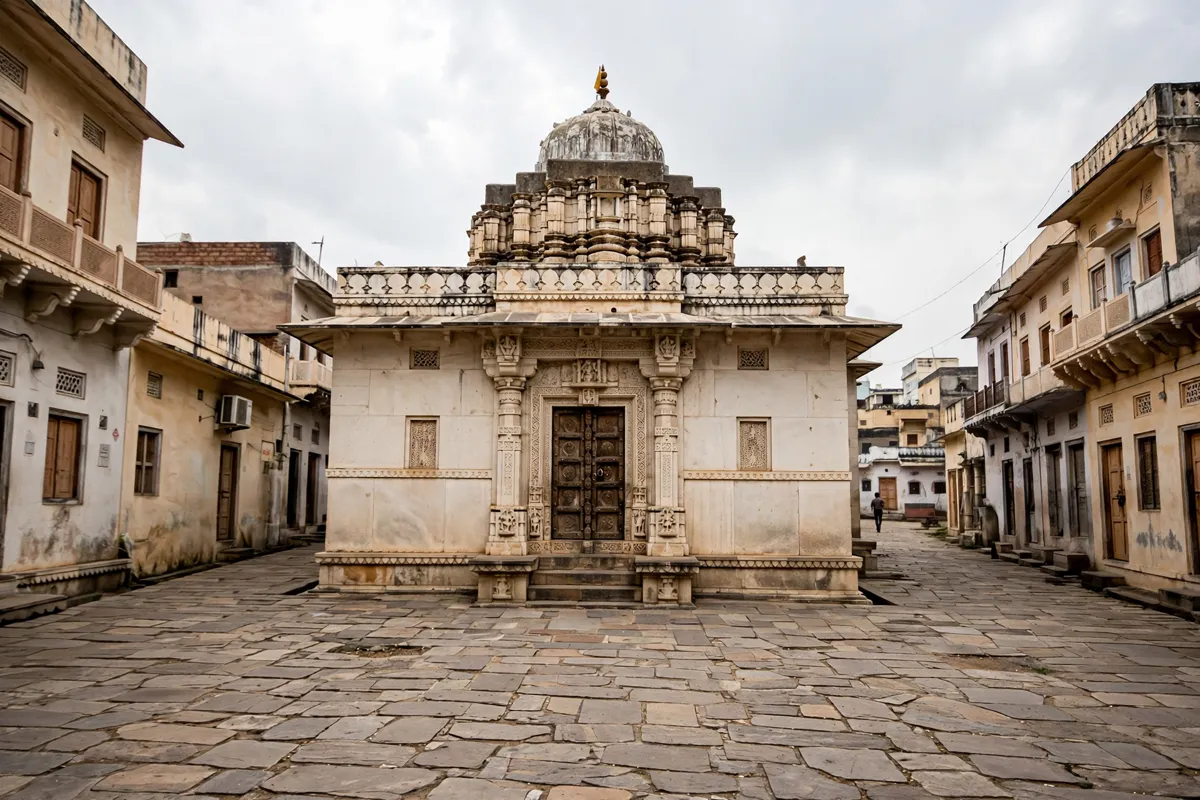
Varaha, Old Rangji and Apteshwar each offer a different reason to pause during a temple visit in Pushkar.
Varaha Temple is dedicated to Varaha, the boar incarnation of Vishnu. The 12th-century temple takes an estimated 30–45 minutes to visit. The main courtyard is reached by about 40 steps.
Old Rangji Temple was built in 1823 in honour of Rangji, also known as Ranganatha, a form of Vishnu. Its architecture combines Dravidian, Rajput and Mughal styles. For another perspective on the town’s sacred sites, you can also plan a visit to how to visit Jagatpita Brahma Mandir.
Apteshwar, also called Atmateshwar, is a small cave shrine to Shiva. Pushkar has more than 400 temples, making these three sites a focused introduction to the town’s temple heritage.
A sensible order for the walk
- Hours
- access may differ by site
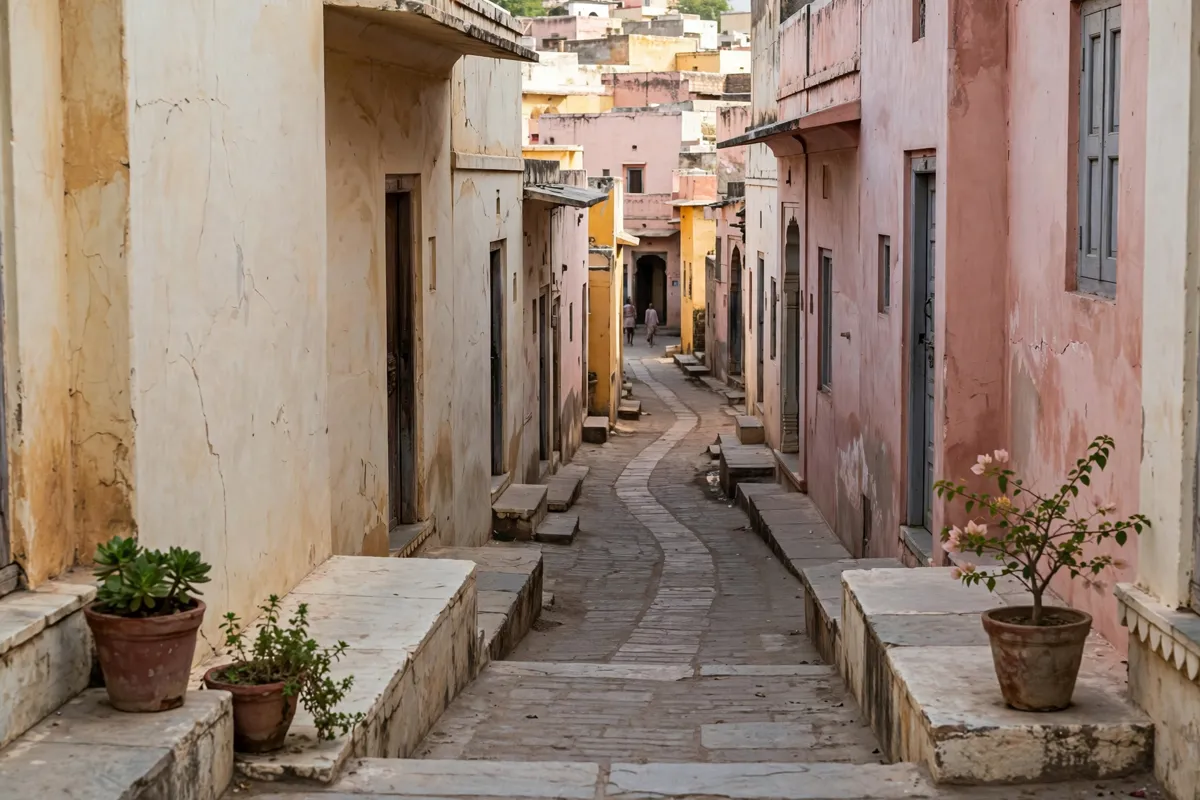
Plan a morning visit and keep the order flexible as you move between the three temples.
Start with the temple whose access and opening details you have confirmed, then continue to the others. Visit Pushkar recommends a self-guided morning walk of 3–4 hour for key temples in town; use that as a broad guide for the three stops.
Varaha Temple is roughly 500 metres from the Pushkar bus stand, which can help orient you if you are arriving there.
Leave room for pauses, especially at Varaha, where the visit estimate is 30–45 minutes and the steps lead up to the main courtyard. Avoid building a tight schedule around unconfirmed temple hours: access may differ by site.
What to check before entering
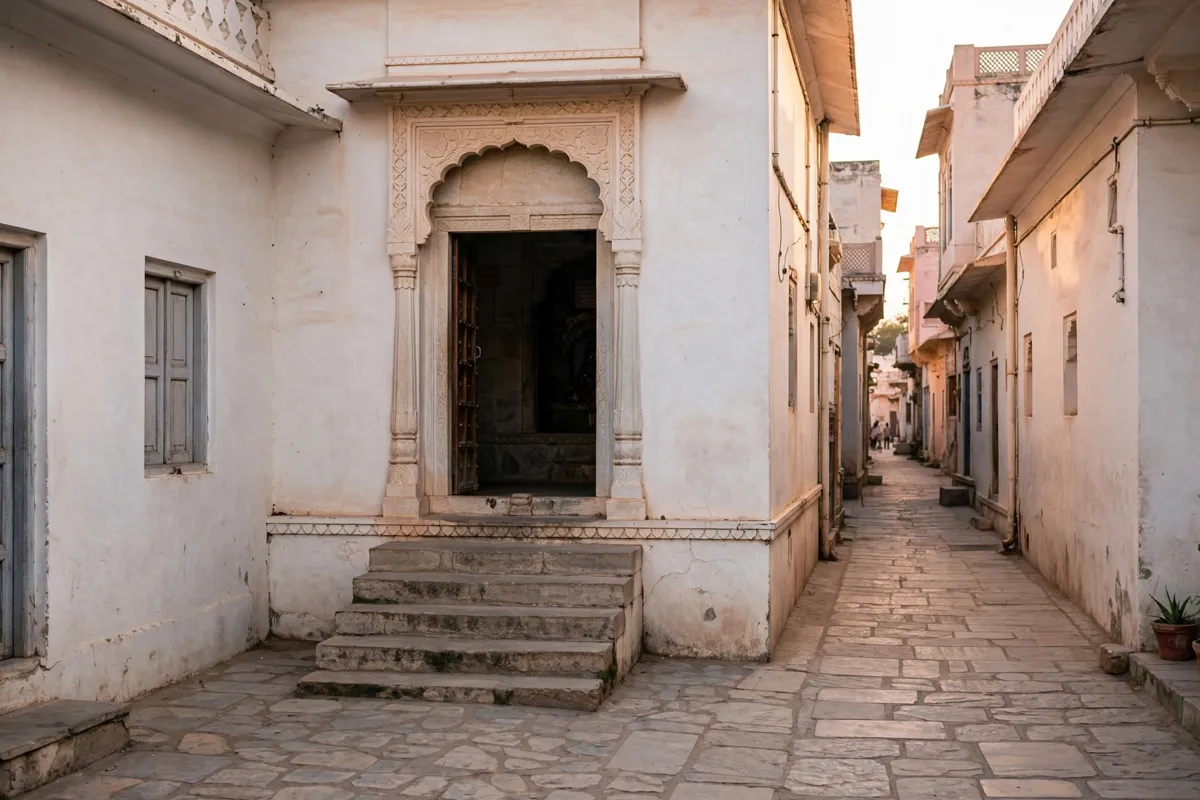
Temple hours and access arrangements can vary, so confirm the current details at each entrance before you set out.
Varaha Temple hours are given as 6:00 AM–12:00 PM, but morning hours differ between guides. Many Pushkar temples close in the afternoon between 12:30 PM and 3:00 PM; this general pattern is not a confirmed schedule for these three temples.
At Varaha Temple, remove your shoes and cover your shoulders and legs. At Old Rangji Temple, access to the inner sanctum is often restricted to Hindus; the practice can vary, so ask at the gate before entering. Respect any instructions given by temple staff.
Check the official site before you go for current practical details, and confirm temple rules at the entrance.
Adding the lake and Brahma Mandir
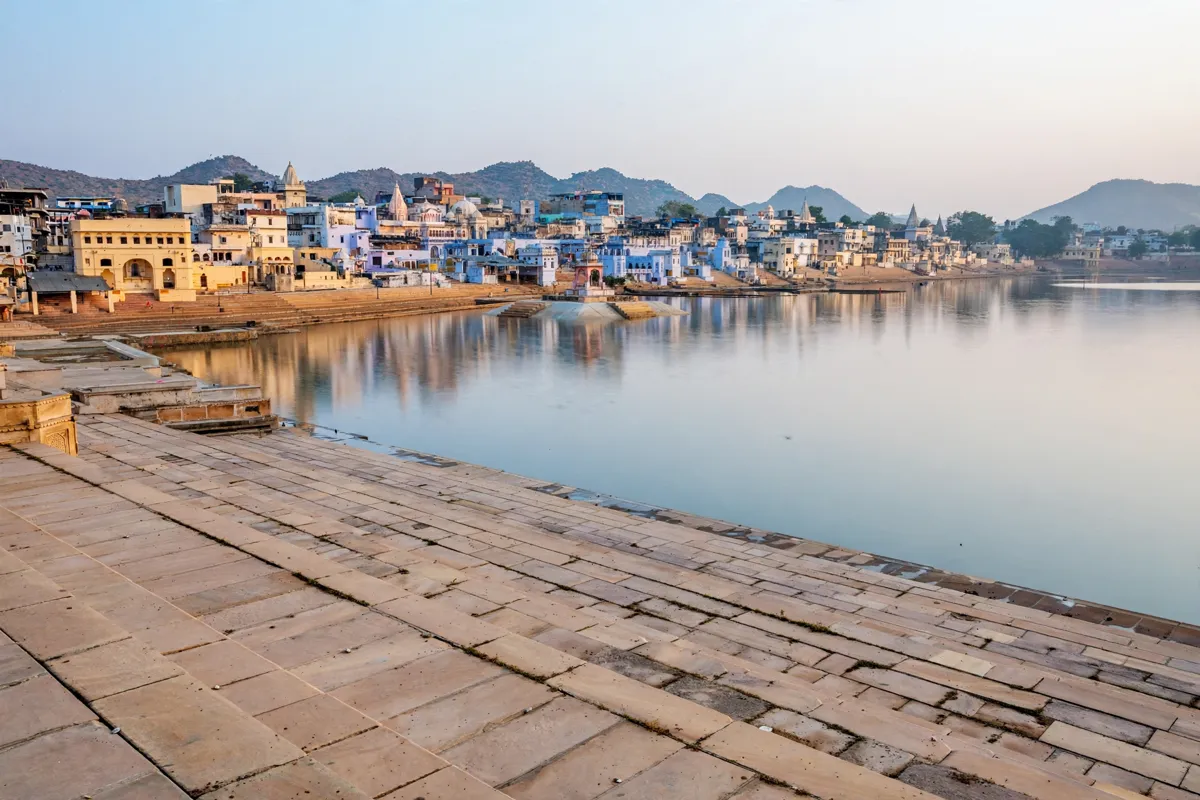
Pushkar Lake and Brahma Mandir are natural additions if you want to extend a temple-focused visit into the town’s other well-known sacred places.
Pushkar Lake and the Brahma, Varaha, Savitri, Rangji and Atmateshwar temples are among Pushkar’s attractions. You can pair a temple visit with time at the lake’s ghats; the guide to Pushkar Lake’s ghats and local etiquette covers that setting.
Pushkar’s annual Camel Fair brings festive activity around Kartik Poornima, with dates that vary from year to year. Pushkar Main Bazaar also offers a different way to spend time in town; learn what to find and how to browse the bazaar.
FAQs
Which temples are included in this Pushkar heritage walk?
The three stops are Varaha Temple, Old Rangji Temple and Apteshwar Mahadev Temple, also known as Atmateshwar.
What is Varaha Temple dedicated to?
It is dedicated to Varaha, the boar incarnation of Vishnu. The temple dates to the 12th century.
Can everyone enter the inner sanctum at Old Rangji Temple?
Access is often restricted to Hindus, but the practice can vary. Ask at the gate about the current rule.
Can the temple walk include Pushkar Lake?
Yes. Pushkar Lake is among the town’s attractions and can be added to a visit focused on the temples.